
Protists: The Soil Ecosystem’s Unsung Heroes
Source Article: Liu H, Martins CSC, Zhou G, Jayaramaiah RH, Zhang H, Li J, et al. Soil Protist Diversity and Biotic Interactions Shape Ecosystem Functions Under Climate Change. Global Change Biology. 2026 Jan;32(1). https://doi.org/10.1111/gcb.70692
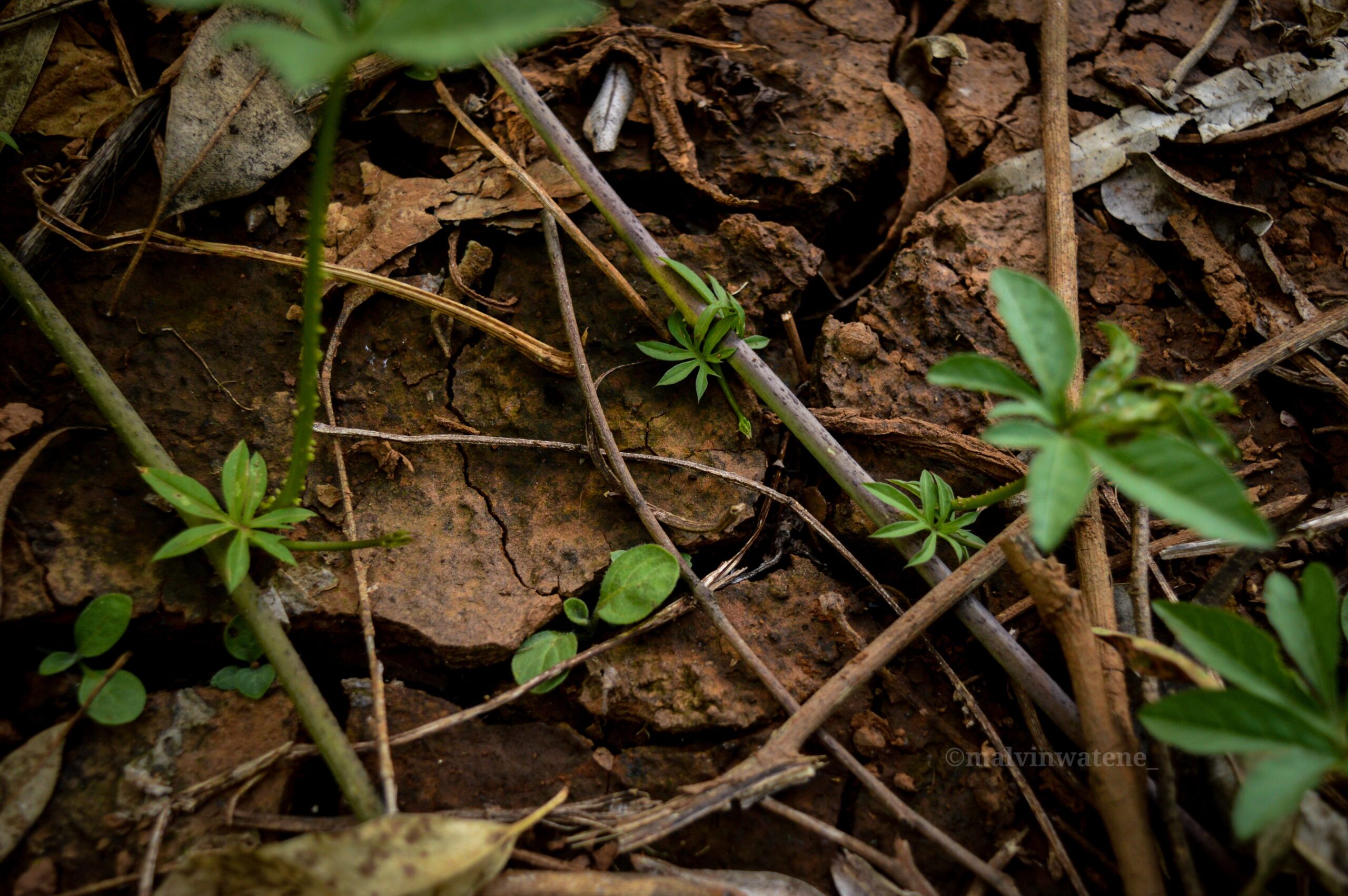
Featured Image Caption: Cracks are a common indicator of the soil drying out. (Image Source: Image depicting cracks of the soil during Spring – Watene1738, CC BY-SA 4.0, via Wikimedia Commons)
An invisible eminence
Protists are the most diverse kingdom among the eukaryotes, the organisms characterized by the existence of a membrane-bound nucleus in their cells. Their definition is one of exclusion: they are eukaryotes that are not animals, plants or fungi, and their ranks include organisms so different in shape, habitats and lifestyle that their most common trait tends to be the defiance of simple categories.
Despite the fact that they’re associated with many vital environmental processes, like nutrient recycling, and directly influence microbial dynamics through predation, little empirical evidence exists for how their presence (or absence) may affect entire ecosystems.
While a lot of factors are historically responsible for these knowledge gaps, renewed interest in protist ecology is driven by mounting evidence that suggests they play a much more central role in soil health than previously assumed. An international scientific team sought to answer questions regarding the role of both microbial and plant diversity on ecosystem resilience to climate change-related stress, hypothesizing that protist diversity is an overlooked, crucial predictor of adaptability.

Community-building
To evaluate how different factors may impact an entire ecosystem’s ability to function, scientists need to create smaller scale simulations of said ecosystems and manipulate the inhabitants of these artificial communities. Forming and monitoring these small man-made ecosystems, often called “microcosms”, allow scientists to capture a fraction of the complexity of vast soil environments on a manageable scale and yield insights about the mechanisms that govern them, which are often impossible to measure otherwise.
In this study, an extensive soil experiment assessed how the number of plant species (1, 3 or 6) and microbial diversity (high, moderate or low) impacted various ecosystem functions in two scenarios: normal watering conditions or drought, a common simulation of climate change stress.
Different levels of microbial diversity were paired with plant species richness in pots while experiencing very consistent environmental conditions in one of West Sydney University’s greenhouses. Half of the pots, representing all distinct combinations, were put through a two-week drought followed by a recovery period. Up to twenty one different environmental measurements were taken throughout this process to pinpoint which combinations of microbe and plant diversity performed better in drought. These measurements included metrics of soil health, nutrient cycling and organic matter turnover, aiming to cover as many aspects of ecosystem multifunctionality as possible.
After discovering which treatments were more resilient to the imposed water scarcity, molecular analysis was needed to link the observed outcomes to invisible changes within the microbial communities. These techniques provide a detailed census of the soil microbial world that allows the “tracking” of microbial changes across experimental time. One way to visualize these changes is to use microbial networks, a map that shows how microbial species connect to each other under specific conditions, as well as which microbes tend to gather at the most influential community “hubs”.
Protists stabilize soil ecosystems, helping them overcome climate change-related stress
The initial levels of microbial diversity applied in the soil (high, moderate or low) persisted throughout the experiment despite the fact that the drought period significantly shook microbial dynamics. The microbial networks seemed to “rewire” due to the stress, becoming more complex than those mapped before water shortage. This presents clear evidence that climate change-led abiotic stress affects even the tiniest members of soil ecosystems., who are coerced to forge multiple new “partnerships” to ensure survival.
Like in any other partnership, success lies within the nature of the partners. In most post-drought microbial networks a particular kind of partner stood out: protists. Increased protist diversity correlated to higher carbon storage in soil, increased decomposition of dead organic matter and better performance across multiple functions at once. The presence of specific protists was even positively correlated with nutrient uptake and plant production metrics, even though plant diversity itself didn’t seem to substantially affect microbial dynamics. These effects reflect the many metabolic roles protists can have in ecosystems and confirm previous hypotheses on the scope of their regulatory roles.
Moreover, protist diversity significantly supported increases in the density of other microbes, creating rich communities that, as evidenced, directly affected soil health and resilience: the pots with the highest microbial diversity successfully recovered from drought. Through both primary and secondary effects, protists maintained network connectivity and integrity in the face of drought-induced community shifts.
Take-home message
Overall, the most important finding was that the variety of protists, and not that of the extensively researched bacteria or fungi, was the best predictor of ecosystem health. This study showcases how soils rich in protists can better respond to and overcome drought, as the protists’ resilience to stress allowed them to “buffer” negative effects on nutrient cycling and carbon storage induced by losses in he activity of more vulnerable microorganisms. The protists’ adaptive response appeared to stabilize the soil community as a whole. Protecting protist diversity and mapping the many “unknowns” still associated with this fascinating kingdom may be the key to maintaining terrestrial ecosystems’ adaptability to our rapidly changing planet.


